


About the Challenge
A Digital Twin is a real-time virtual replica of a physical asset, process, or system that enables continuous monitoring, predictive analytics, scenario simulation, and dynamic optimisation. In the logistics domain, Digital Twins present transformative potential across port operations, freight corridors, warehousing, multimodal hubs, and supply chain networks by enabling data-driven decision-making at scale.
The NLDSL DigiTwin Grand Challenge invites students, innovators, startups and industry partners to harness data and build intelligent digital replicas of India's logistics infrastructure enabling smarter simulation, predictive planning and operations optimization across the supply chain.
- Ports
- Freight corridors
- Warehousing
- Multimodal hubs
- Supply chains
Why Participate
Identify
Discover and nurture high-impact Digital Twin solutions addressing real-world logistics bottlenecks in India.
Build
Develop a robust repository of functional, scalable, and deployment-ready Digital Twin solutions and prototypes.
Enlist
Identify prospective technology solution providers associated with shortlisted solutions for potential consideration in future Digital Twin initiatives of NICDC and NLDSL.
Focus Sectors
Participants may develop Digital Twin solutions across the five curated focus sectors below, or take the Open Category for innovative applications in related logistics, infrastructure, mobility, or supply-chain domains.
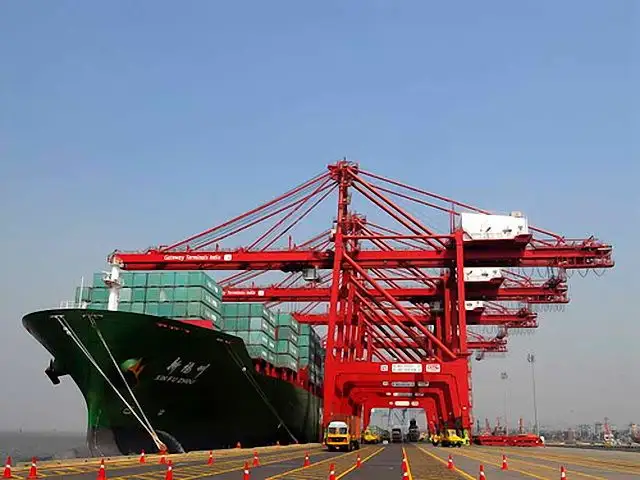 SECTOR 01
Multimodal Logistics (Port, Rail & Road)
Multimodal Logistics (Port, Rail & Road)
Twins for container terminals, vessel turnaround, Dedicated Freight Corridors and road-rail intermodal movement.
- Real-time twin of container terminal ops (berth allocation, crane scheduling, gate management)
- Vessel movement simulation & turnaround optimisation
- Predictive congestion/dwell-time modelling at EXIM ports
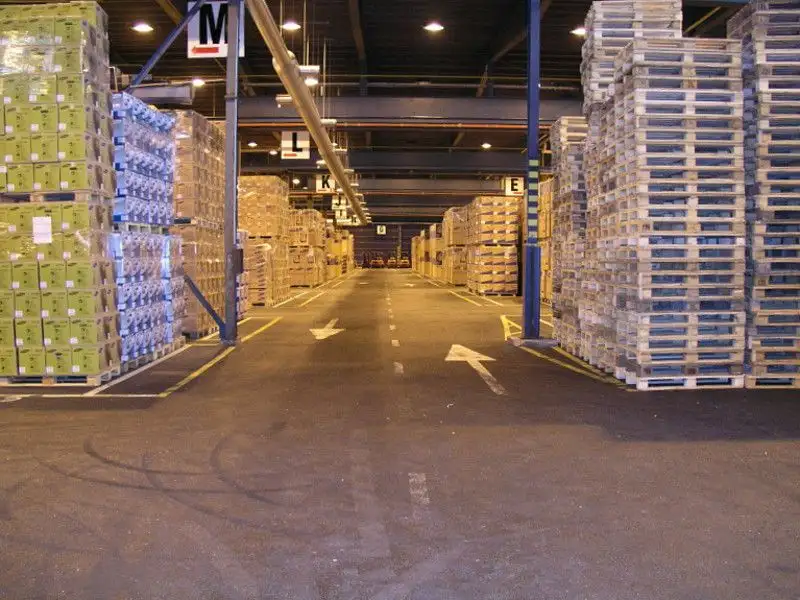 SECTOR 02
Industrial Corridor, Parks & Warehousing
Industrial Corridor, Parks & Warehousing
Virtual replicas of industrial corridors, MMLPs and smart warehouses, from factory gate to dock door.
- Virtual replica of MMLPs for capacity planning
- Smart warehouse twins (inventory flow, pick-pack-ship, space utilisation)
- Automated dock scheduling & yard management
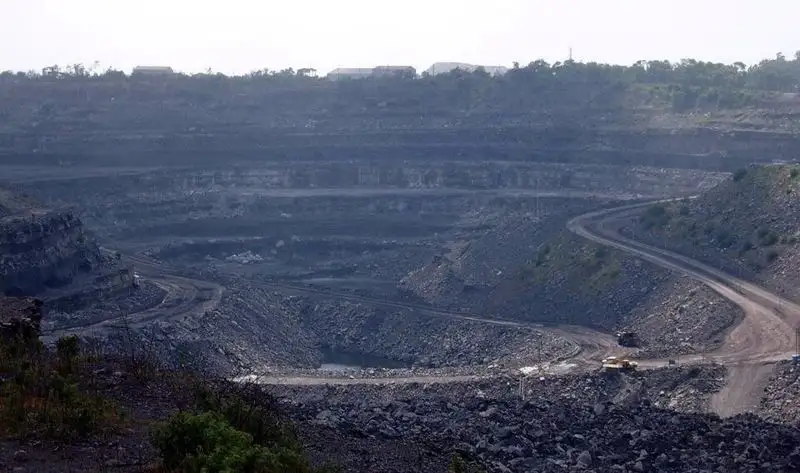 SECTOR 03
Mining & Mineral Sectors
Mining & Mineral Sectors
Pit-to-port twins for ore and mineral evacuation, stockyards and bulk rail-road dispatch.
- Mine-to-port ore/mineral movement twins
- Rail-road evacuation & yard optimisation
- Stockyard monitoring & dispatch
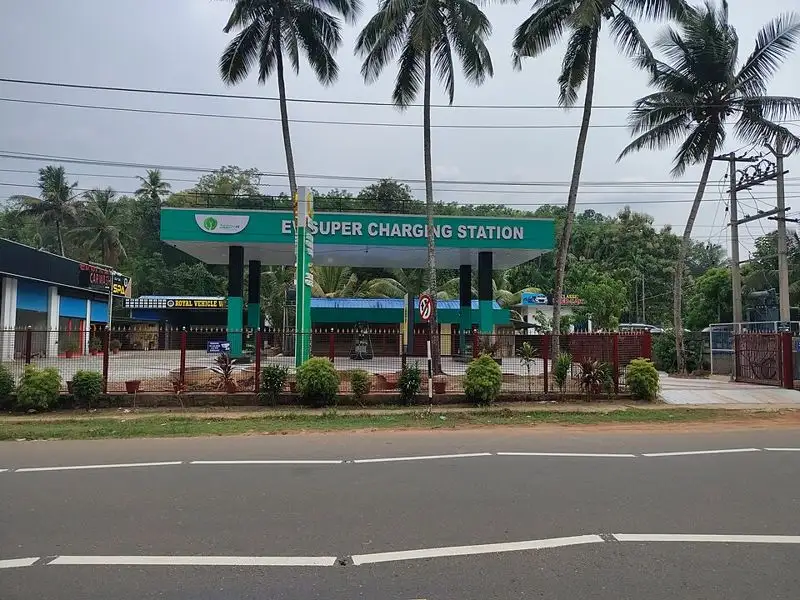 SECTOR 04
Urban Mobility & Energy Logistics (EV Ecosystem)
Urban Mobility & Energy Logistics (EV Ecosystem)
City logistics twin (traffic flow, delivery routes, congestion windows); EV fleet and charging-infrastructure simulation; hyperlocal demand forecasting; EV battery supply chain and renewable energy grid-asset movement planning.
- Urban freight route optimisation & congestion windows
- EV commercial fleet charging & grid load balancing
- Hyperlocal micro-fulfilment delivery forecasting
 SECTOR 05
Supply Chain Logistics (Pharma, Healthcare, Agriculture)
Supply Chain Logistics (Pharma, Healthcare, Agriculture)
End-to-end visibility and cold-chain integrity for medicines, medical supplies and farm produce.
- End-to-end supply chain twin with disruption simulation
- Cold-chain twins for vaccines/pharma
- Medical-equipment inventory optimisation
 SECTOR 06
Open Category (Beyond Focus Sectors)
Open Category (Beyond Focus Sectors)
Digital Twin ideas for logistics, infrastructure, mobility or supply-chain problems outside the five focus sectors.
- Cross-sector national logistics network twins
- Aviation, inland waterway and coastal shipping logistics
- Disaster-response and humanitarian logistics
How It Works
- 1
Registration & Concept Pitch
15 Oct – 14 Nov 2026Opens in 20 daysSubmit2-page concept noteTop 75 teamsHow it's evaluated
- Eligibility screening (pass/fail)2–5 members, a technical lead in data/AI/ML/software, India-based representation.
- Concept note, scored /100Problem clarity, proposed Digital Twin approach and data feasibility.
- 2
Detailed Idea Submission
23 Nov – 08 Dec 2026SubmitArchitecture & simulation specTop 25 finalistsHow it's evaluated
- Technical blueprint, scored /100System specification, simulation model and data integration architecture.
- 3
Prototype Demo & Finale
10 Dec 2026 – 14 Jan 2027SubmitWorking prototype + live jury demoWinnersHow it's evaluated
- Grand jury demo, scored /100Judged by senior Ministry officials, industry leaders and NLDSL/NICDC executives.
Eligibility
Answer three questions to find out.
Students, startups, researchers and companies can all enter. Members can come from different organisations, so a university and a startup can form one team.
How many people are on your team?
Does someone on your team work with data, AI/ML or software?
Is your team based in India?
Evaluation
- 25% of the total score
Digital Twin Architecture
- Completeness of architecture
- Real-time synchronisation
- Fidelity of virtual representation
- Scenario simulation
- Predictive, prescriptive and optimisation capabilities
Digital Twin Architecture
- Completeness of architecture
- Real-time synchronisation
- Fidelity of virtual representation
- Scenario simulation
- Predictive, prescriptive and optimisation capabilities
Prizes
For the top team overall.
For the best team in each focus sector.
- Multimodal Logistics
- Corridor, Parks & Warehousing
- Mining & Minerals
- Urban Mobility & EV
- Supply Chain Logistics
Timeline
All dates in IST.
- Up next15 Oct 2026
Launch & publication of DigiTwin Grand Challenge guidelines and 5 Focus Sectors.
- 15 Oct – 14 Nov 2026
Team registration and 2-page Concept Note submission window (30 days) · Stage 1.
- 15 – 22 Nov 2026
Screening Committee assessment; announcement of Top 75 shortlisted teams (8 days).
- 23 Nov – 08 Dec 2026
Stage 2 Detailed Idea & Architecture submission window for evaluation (15 days).
- 09 Dec 2026
Announcement of Top 25 finalist teams advancing to Prototype Development Stage.
- 10 – 31 Dec 2026
Stage 3 Prototype / PoC development; optional access to official ULIP APIs (21 days).
- 04 – 14 Jan 2027
Virtual demonstration to Grand Jury, final evaluation, awards ceremony & vendor enlistment.